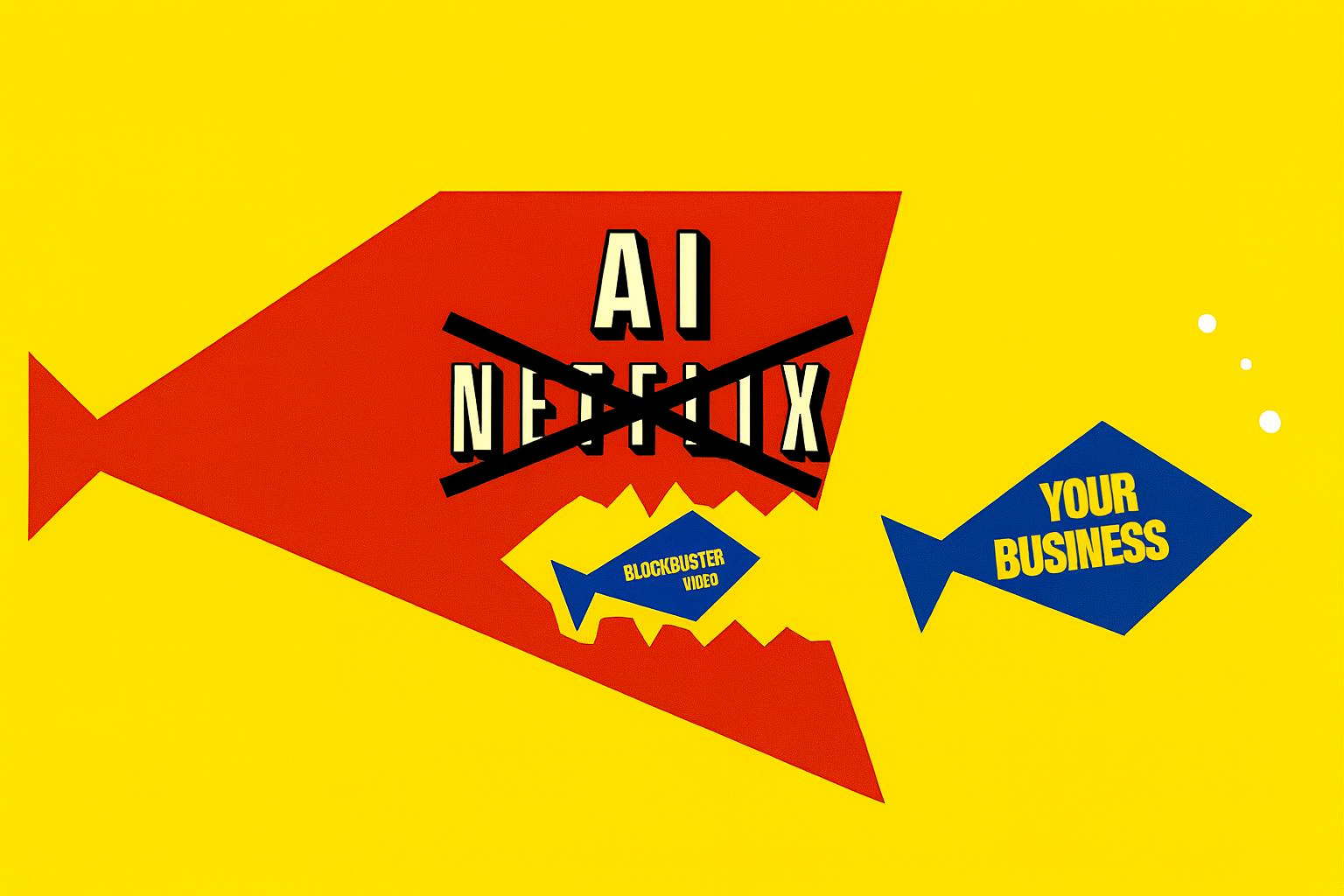
The One-Year Countdown Has Started
Why Unsupported Technology Is Now a Cybersecurity Liability
There’s a quiet but urgent clock ticking across the digital world.
Last week, Cybersecurity and Infrastructure Security Agency (CISA) issued a clear directive: federal agencies have one year to remove unsupported, end-of-life (EOL) network devices from their environments. No extensions. No excuses.
On the surface, this sounds like a government-only issue.
In reality, it’s a warning shot for everyone.
The Real Message Behind CISA’s Mandate
CISA’s Binding Operational Directive focuses on “edge devices. Firewalls, routers, VPNs, switches, load balancers, and wireless access points that sit at the perimeter of modern networks.
Why these devices?
Because attackers love them.
Unsupported technology:
- No longer receives security patches
- Contains known, exploitable vulnerabilities
- Often sits exposed to the internet
- Frequently goes unmonitored for years
From a threat actor’s perspective, legacy infrastructure is the unlocked side door.
CISA didn’t create this directive to be bureaucratic. It did it because unsupported devices are now one of the most common initial access vectors in major breaches.
And while the mandate applies to federal agencies, the risk does not stop there.
The Sectors at Highest Risk (And Why They’re Being Targeted)
At Krome IT, we see the same pattern across industries, and some sectors are consistently at the top of attackers’ lists.
Healthcare & Medical Organizations
Hospitals and medical networks often rely on legacy infrastructure tied to specialized systems and medical devices. Many of those environments:
- Can’t easily patch or replace hardware
- Run mixed modern and outdated networks
- Store high-value patient and operational data
One unsupported firewall is all it takes to compromise an entire care network.
Legal Firms
Law firms are gold mines of sensitive data. Contracts, litigation strategies, intellectual property, M&A documents.
Yet many firms still rely on:
- Aging perimeter devices
- “If it’s not broken, don’t touch it” IT policies
- Limited security visibility
Attackers know legal firms often lag behind regulated industries, and they exploit that gap.
Non-Profits
Non-profits face a brutal combination:
- Tight budgets
- Limited IT staff
- Legacy infrastructure kept alive far too long
Threat actors target non-profits not because they’re weak but, because they’re trusted. Compromising a non-profit can lead to donor fraud, supply-chain attacks, and reputational collapse.
Unsupported Technology Is No Longer “Technical Debt”
It’s Business Risk
For years, organizations treated EOL infrastructure as a future problem.
That era is over.
Today, unsupported devices introduce:
- Regulatory exposure
- Cyber insurance denial risk
- Operational downtime
- Reputational damage
- Executive-level liability
CISA’s directive didn’t invent this risk. It simply made it impossible to ignore.
Why “Rip and Replace” Isn’t Enough
Here’s the hard truth:
Replacing old devices without changing how you manage technology lifecycle just resets the countdown.
What organizations actually need is:
- Continuous asset discovery
- Vendor lifecycle awareness
- Security-first architecture decisions
- Ongoing risk visibility
This is exactly why CISA’s directive doesn’t stop at replacement, it requires long-term lifecycle management processes.
Smart security isn’t reactive. It’s architectural.
The Krome IT Perspective: Federal Today, Everyone Tomorrow
We’ve helped organizations across healthcare, legal, nonprofit, and enterprise sectors navigate this exact challenge.
And the pattern is always the same:
- Unsupported devices hide in plain sight
- No one “owns” lifecycle accountability
- Risk grows silently until it explodes
CISA’s mandate is not just a government rule, it’s a preview of where cybersecurity expectations are heading.
Regulators, insurers, auditors, and boards are all paying attention.
The Question Isn’t “Are You Required?”
It’s “Are You Ready?”
If your organization is running:
- Firewalls past vendor support
- VPN appliances without updates
- Network gear no one remembers installing
You don’t have a future problem.
You have a current risk.
Take Action Before the Clock Runs Out
At Krome IT, we help organizations:
- Identify unsupported and at-risk infrastructure
- Build modernization roadmaps without disruption
- Design secure, future-proof network architectures
- Align cybersecurity with business reality, not fear
Because security shouldn’t be reactive. And modernization shouldn’t wait for a breach.
If CISA’s one-year deadline made you uncomfortable, that’s the point.
Now is the time to act.
Learn how to modernize securely at KromeIT.com